

 Nov 15, 2024

Packaging integrity (also called container closure integrity, CCIT), refers to the ability of a packaging system to prevent loss of contents, microbiological intrusion, and ingress of gases or other substances.It usually includes testing for leakage, seal strength, burst, barrier permeability (to oxygen, water vapor) and visual inspection, but should really include whole package testing.
It's a multifaceted concept that guarantees the protection of the package.
- Physically Protects the Contents: The structure of the package (bottle, box, blister pack, pouch, etc.) must remain intact and undamaged to prevent breakage, crushing or deformation of the product.
- Maintains Seal Integrity: Closures (caps, lids and seals) and seams must be securely fastened and leak-proof. This prevents contamination, leakage, spillage, loss of contents or the unwanted entry or exit of substances (such as air, moisture or gases).
- Preserves Barrier Properties: Packaging materials must effectively block external environmental factors such as moisture, oxygen, light, microbes, dust or odours that could degrade the quality, safety, efficacy or shelf life of the product. Conversely, it may also be necessary to prevent the product from escaping (e.g. volatile compounds or powders).
- Ensures Tamper Evidence: The package must clearly show if unauthorised access has occurred before it reaches the consumer.
- Maintains Functionality: Features such as dosing mechanisms (pumps and droppers), resealability, ease of opening and child-resistant features must work as designed.
- Provides Accurate Labeling & Information: All labels and critical information, such as lot numbers, expiry dates and instructions, must be legible and securely attached.
What is the importance of package integrity?
- Product Safety: Prevents contamination (microbial, chemical, physical) that could harm consumers (especially critical for food, pharmaceuticals, medical devices).
- Product Efficacy/Quality: Ensures the product performs as intended and maintains its stated properties (e.g., sterility of medical devices, potency of drugs, freshness of food, flavor of beverages).
- Shelf Life: Directly impacts how long the product remains safe and effective.
- Regulatory Compliance: Mandated by agencies like the FDA (Food & Drug Administration), EMA (European Medicines Agency), USDA (US Dept. of Agriculture), and others, particularly for sensitive products.
- Consumer Trust & Brand Reputation: Damaged, leaking, or tampered packages erode consumer confidence and damage the brand.
- Minimizing Waste & Cost: Prevents product loss, costly recalls, returns, and potential liability claims.
- Supply Chain Efficiency: Reduces damage during handling, warehousing, and transportation.
How to test package integrity?
Various tests are carried out throughout the development and production processes:

- Visual Inspection: For obvious defects.
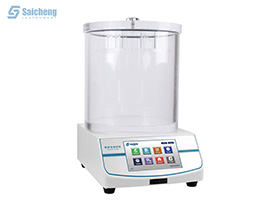
- Leak Testing: Dye penetration, bubble emission (underwater vacuum/ pressure), vacuum decay leak test, pressure decay, helium leak testing (high sensitivity).
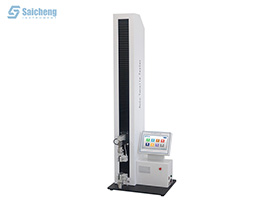
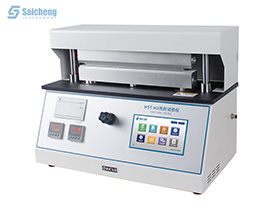
- Seal Strength Testing: Peel tests, burst tests.
- Burst/Puncture Resistance Testing.
- Compression Testing.
- Accelerated Aging/Stability Studies: To simulate long-term effects on package integrity.
- Tamper-Evident Feature Verification.
Essentially, package integrity is the foundation for ensuring that the product inside arrives at its destination in the same safe, effective and high-quality condition as when it left the manufacturing facility. This is particularly important in industries such as pharmaceuticals, medical devices, food and drink, cosmetics, and chemicals.