

 Dec 26, 2025

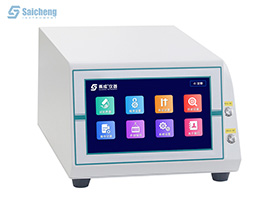
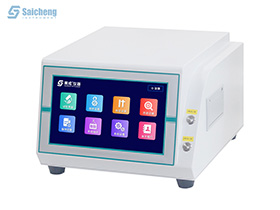
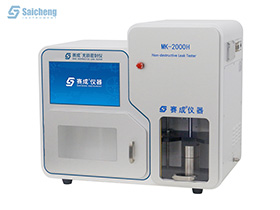
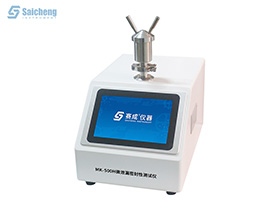
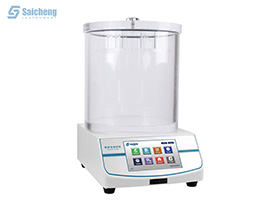
The Saicheng leak tester is essential for maintaining packaging integrity in the food and beverage, pharmaceutical, cosmetics, and chemical industries. It helps prevent contamination, extend product shelf life, and ensure compliance with regulatory standards. This article examines the applications of leak testing across these sectors, recommends appropriate testing methods, and highlights the specific benefits for each industry.
Food Industry Applications
Food packaging must prevent the ingress of oxygen, moisture, and contaminants, which can compromise food quality and safety. Even minor leaks may lead to spoilage or microbial growth.
Application Areas:
- Flexible pouches (snacks, sauces)
- Trays with heat-sealed lids (ready meals, dairy)
- Bottles and jars (sauces, dairy products)
- MAP packaging (snacks, cheese, fresh produce)

Recommended Leak Testing Methods:
- Vacuum Decay Method: Detects leaks in bagged and tray-packed products without damaging the packaging
- Pressure Decay Method: Suitable for rigid containers such as cans and bottles
- Bubble Testing Method: Ideal for small-batch production, enabling low-cost visual leak detection
Advantages:
- Maintain product freshness
- Ensure product shelf life
- Guarantee product safety
- Reduce waste and costly recalls
Beverage Industry Applications
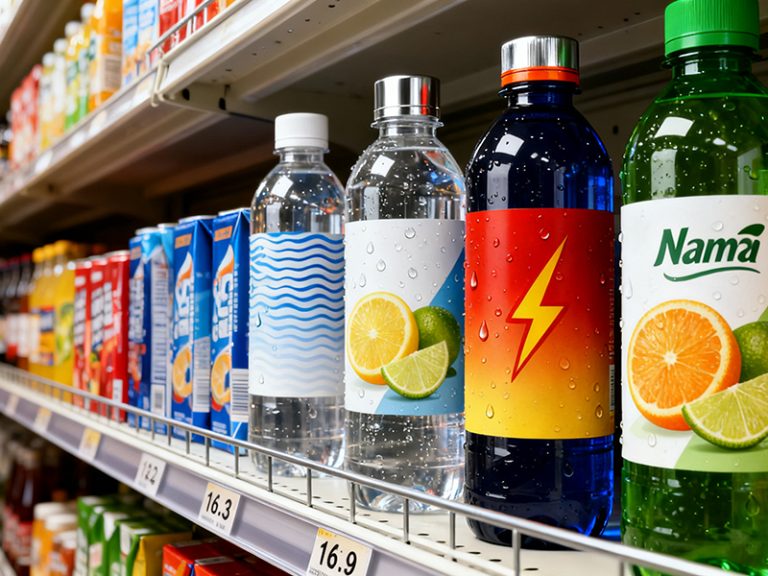
Carbonated beverages and juices are sensitive to oxygen and gas leakage, which can compromise taste and safety. For beverage packaging, this affects flavor, shortens shelf life, and causes contamination.
Application Areas:
- PET bottles, aluminum cans, and composite containers
- Juice, water, dairy drinks, and carbonated beverages
Recommended Leak Testing Methods:
- Pressure Decay / Vacuum Decay: Detect micro-leaks without opening the bottle
- Tracer Gas (Helium or CO₂): For high-precision detection in carbonated beverages
Advantages:
- Guarantees the taste of carbonated beverages
- Extends product shelf life
- Prevents contamination and spoilage
Pharmaceutical Industry Applications
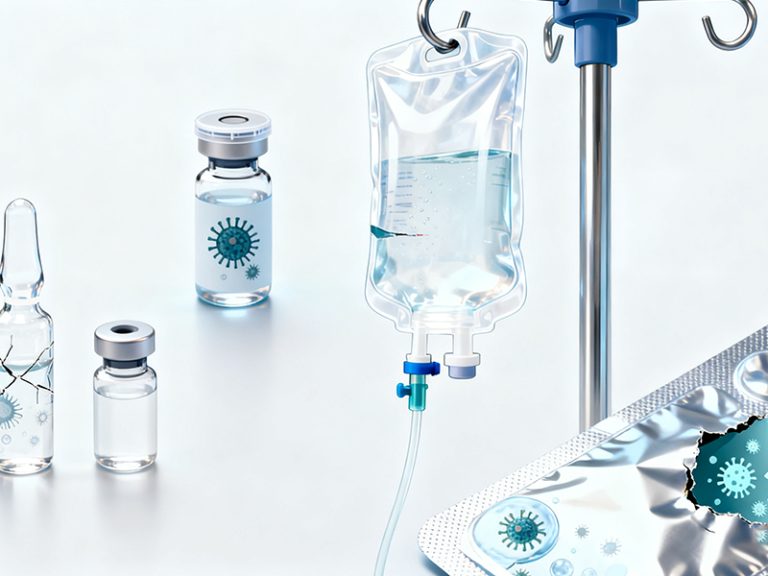
Pharmaceuticals are highly sensitive and must remain sterile until use. For packaging containers such as ampoules, vials, blister packs, and bottles, leak detection is critical. Drug safety directly impacts the health and lives of users.
Application Areas:
- Ampoules, vials, and infusion bags: Testing for microleakage affecting sterility
- Blister packs for tablets or capsules: Ensuring seal integrity to prevent air and microbial ingress
Recommended Leak Testing Methods:
- Pressure Decay / Vacuum Decay: Non-destructive micro-leak detection
- Mass Flow / Tracer Gas: High-sensitivity testing for critical drugs
Advantages:
- Ensure product safety
- Protect end-user health and well-being
- Meet regulatory compliance requirements
Cosmetics and Personal Care Applications
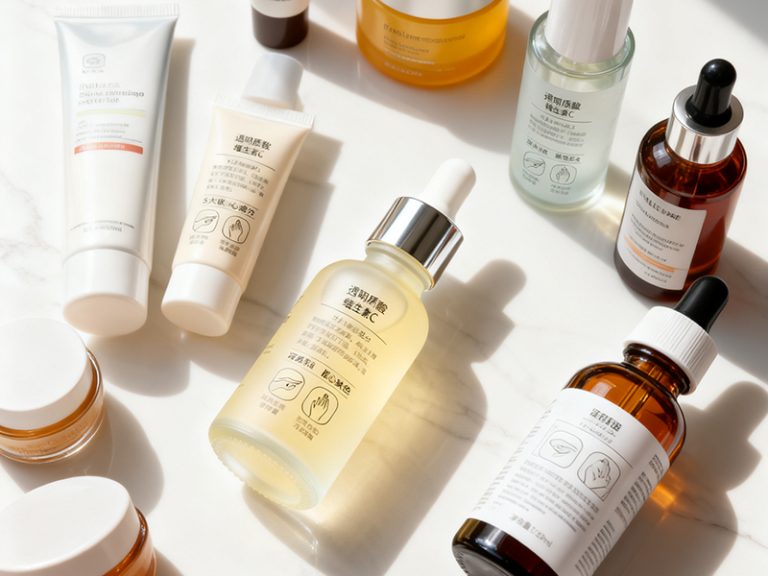
Cosmetics are highly susceptible to oxidation when exposed to oxygen, losing their efficacy and shortening their shelf life. Leak testing ensures seal integrity and prevents air ingress.
Application Areas:
- Lotion tubes, creams, serums, aerosol sprays
- Flexible pouches and travel-size containers
Recommended Leak Testing Methods:
- Vacuum / Pressure Decay: Non-destructive testing for bottles and tubes
- Bubble / Dye Penetration: Detect micro-leaks in low-volume production
Advantages:
- Protect product appearance and brand image
- Preserve product efficacy
- Ensure service life
Industrial and Chemical Products Applications
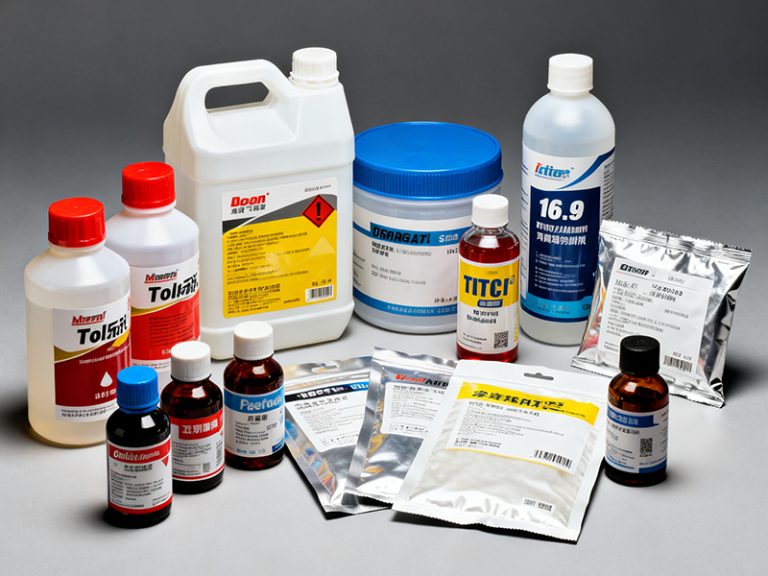
Industrial and chemical products require strict packaging integrity to prevent product degradation. For chemical substances, this prevents hazardous material leaks that could contaminate the environment and endanger safety.
Application Areas:
- Barrels for lubricants, adhesives, coatings, solvents, and chemicals
- Bulk containers and intermediate bulk containers (IBCs)
Recommended Leak Testing Methods:
- Pressure Decay: For barrels and drums
- Tracer Gas: Detects leaks in high-risk chemical containers
- Vacuum Decay: For flexible intermediate bulk packaging
Benefits:
- Reduces safety risks and contamination
- Ensures safe transport and regulatory compliance
Benefits of Industry-Specific Leak Testing
- Ensures product integrity and consumer safety
- Minimizes waste and recalls
- Supports compliance with international standards
- Enhances brand trust and customer satisfaction
Frequently Asked Questions
Q1: Which industries commonly use leak testing machines?
A1: Food, beverage, pharmaceutical, cosmetic, and chemical industries rely on leak testing to maintain packaging integrity and safety.
Q2: What is the most accurate method for pharmaceutical packaging?
A2: Pressure decay and vacuum decay tests are highly sensitive and non-destructive, suitable for micro-leak detection.
Q3: Can leak testing machines be integrated into production lines?
A3: Yes. Saicheng’s automated systems allow inline testing for high-speed production and data traceability.
Q4: How often should packaging be leak-tested?
A4: Testing frequency depends on production volume and regulatory requirements, typically each batch or production shift.
Conclusion
Leak testing is more than just a quality control step; it is a critical process that safeguards product safety, ensures reliability, and upholds customer satisfaction across vital industries. Whether in food, pharmaceuticals, cosmetics, or beverages, investing in reliable leak testing equipment is fundamental to ensuring that products reach consumers in optimal, uncompromised condition.